


SORA Technology Organizes Technical Workshop Hosted by Ghana Health Service on AI-Enabled Early Warning System for Climate-Sensitive Diseases
SORA Technology Co., Ltd. (Headquarters: Nagoya, Japan; Founder & CEO: Yosuke Kaneko; hereafter “SORA Technology”), which provides advanced drone and AI solutions across public health, agriculture, and climate resilience, organized a technical workshop hosted by the Ghana Health Service (GHS) in Ghana on October 16, 2026, in collaboration with the United Nations Development Programme (UNDP) Ghana and the World Health Organization (WHO) Ghana. The workshop focused on developing an AI-based early warning prediction system for four climate-sensitive diseases: malaria, cholera, diarrhea, and meningitis.
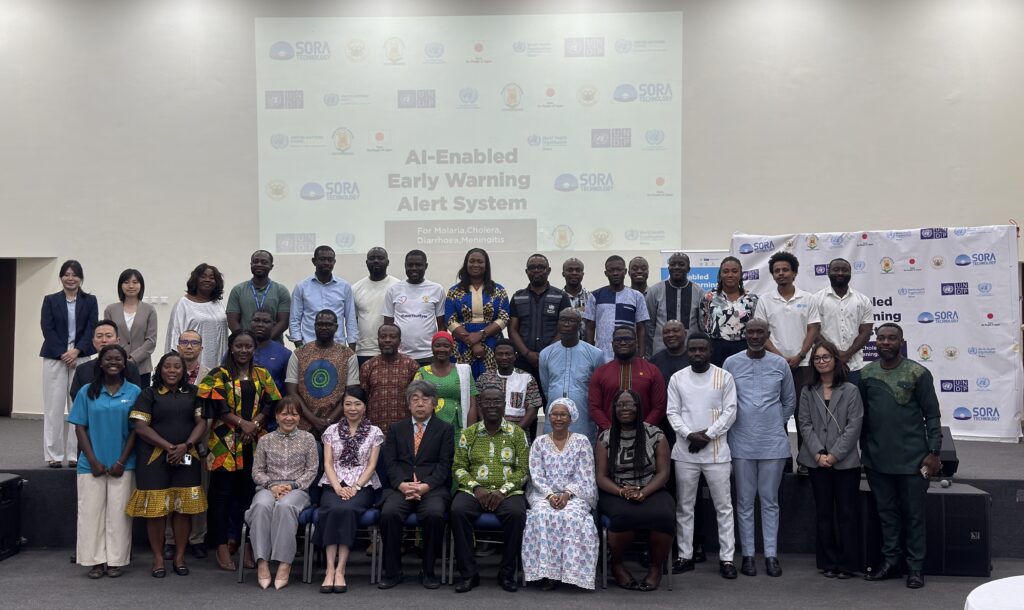
The session brought together representatives from the Ghana Health Service (GHS), the Japan International Cooperation Agency (JICA), the Embassy of Japan in Ghana, UNDP Ghana, and WHO Ghana. Through interactive discussions and practical demonstrations, participants explored the system’s prototype, data requirements, and opportunities for collaboration to strengthen disease preparedness and response.
Background
Climate change is affecting environmental conditions that influence the emergence and spread of infectious diseases, posing growing challenges to public health systems. Strengthening disease surveillance and the ability to anticipate potential outbreaks is essential for enabling timely and effective public health responses.
The workshop was conducted as part of the project “Harnessing AI to Improve Health Outcomes in Ghana While Addressing Its Potential Risks to Human Security,” funded by the UN Trust Fund for Human Security, with support from the Government of Japan.
The initiative seeks to harness the potential of AI to strengthen Ghana’s health systems while addressing emerging risks to human security.
Overview of the AI-Enabled Early Warning System
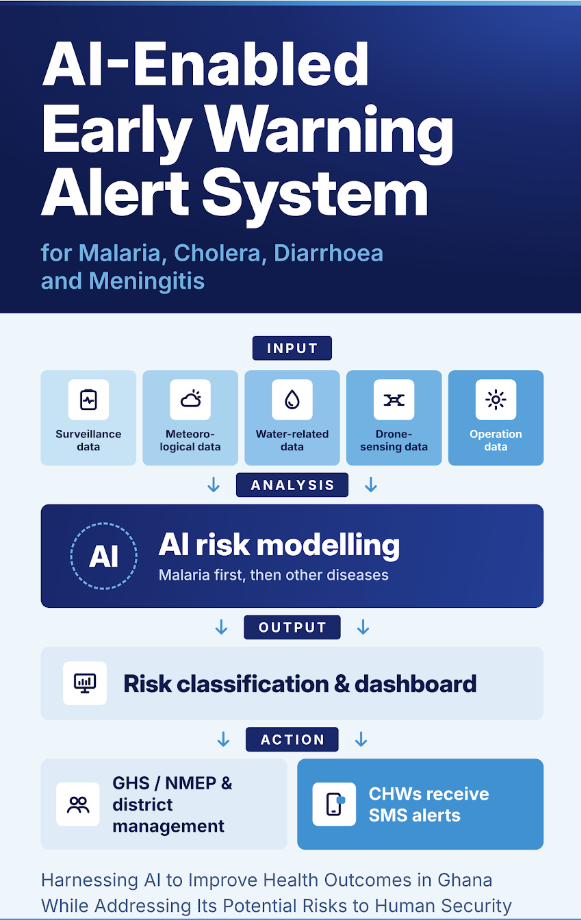
The AI-enabled early warning system under development is designed to integrate multiple data sources, including disease surveillance data, meteorological data, water-related data, drone-sensing data, and operational data.
By processing these inputs through AI-based risk modelling, the system aims to identify potential outbreak risks and generate early warning alerts for four climate-sensitive diseases: malaria, cholera, diarrhea, and meningitis.
These alerts are intended to help health authorities identify areas at higher risk and allocate necessary resources where they are needed most. By supporting earlier and more targeted interventions, the system aims to strengthen preparedness for potential disease outbreaks and enable more efficient use of limited public health resources.
Technical Workshop in Ghana
The technical working session provided a platform for stakeholders from Ghana’s health sector, international organizations, and Japanese development partners to explore how AI can strengthen disease surveillance, improve early warning capabilities, and support timely public health responses.
Through interactive discussions and practical demonstrations, participants examined the system’s prototype and discussed the data requirements for AI-based disease risk modelling. The session also provided an opportunity to explore potential areas of collaboration among participating institutions to support the development and future application of the system.
Dr. Sharmila Lareef, Medical Officer, Malaria & Vector-borne Disease Control, WHO Ghana, commented that this system is surely useful because we know that when we have outbreaks, a lot of lives could be lost, but AI can predict it in advance so that countries can prepare for adequate response. However, when we apply AI, we have to be reminded that AI is not replacing public health capacity within the countries, but it is rather a complement. Data used for AI has to be validated, and also the outputs of AI need to be put into actions. Dr. Samuel Kwabena Boakye-Boateng, Director of Policy, Planning, Monitoring & Evaluation Division, Ghana Health Service commented that it is a game changer for us, it can help us focus and better prepare for outbreaks.
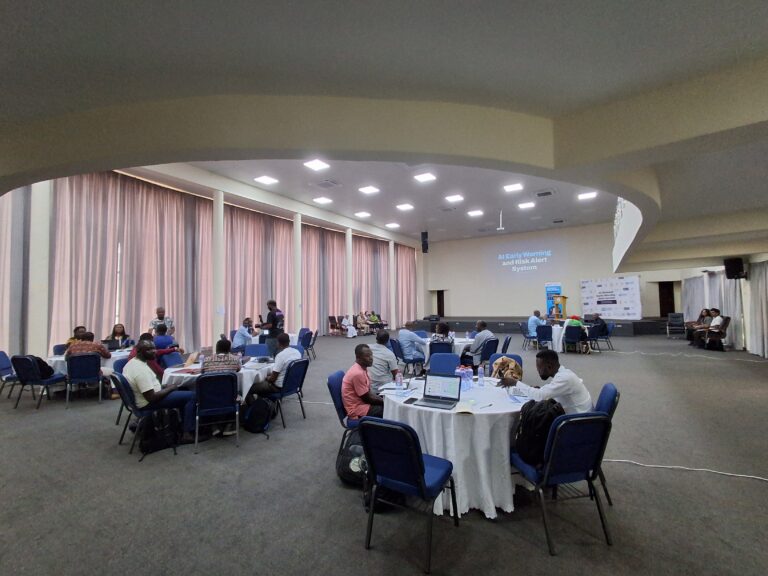
By bringing together stakeholders with expertise in public health, technology, and international development, the workshop contributed to ongoing efforts to advance data-driven disease preparedness and response in Ghana.
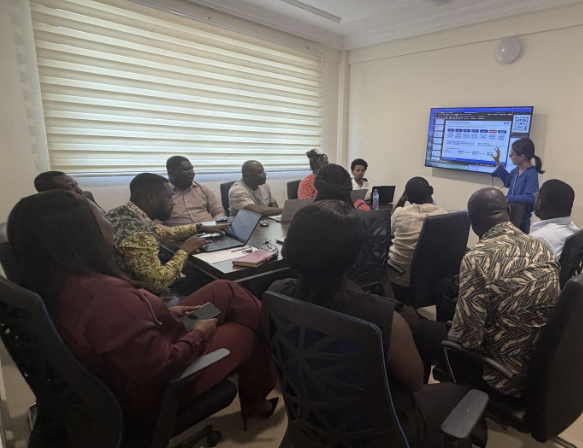
Beyond that, we have also held a second, more focused technical session with the Ghana Health Service (GHS), involving the Policy, Planning, Monitoring and Evaluation (PPME) Division and the Public Health Division on October 21
The session aimed to strengthen technical alignment on the AI-enabled Early Warning Alert System, ensure GHS ownership, support effective integration into existing systems, and promote long-term sustainability.
Looking Ahead
SORA Technology will continue working with UNDP Ghana, WHO Ghana, and other relevant stakeholders to advance the development and potential application of AI-powered early warning technologies for climate-sensitive diseases.
By combining AI with diverse environmental and public health data, SORA Technology aims to support earlier identification of disease risks, more effective allocation of public health resources, and improved outbreak preparedness, contributing to stronger and more resilient health systems in Ghana.
Company Profile
Company Name: SORA Technology Co., Ltd.
Headquarters: 2-14-1 Nagono, Nishi-ku, Nagoya, Aichi, Japan
Representative: Yosuke Kaneko (Founder & CEO)
Established: 2020
Business: Development and provision of drone- and AI-powered technologies for infectious disease control, agricultural support, and climate adaptation.
Mission: SORA Technology is committed to the mission of “Transforming lives from the sky (SORA).” By leveraging advanced drone and AI technologies, the company aims to help build safe and prosperous societies anywhere in the world. Centered in Africa and other developing regions, SORA provides a wide range of services, from infectious disease surveillance and control to agricultural productivity enhancement and climate adaptation support.
LinkedIn: https://www.linkedin.com/company/sora-technology/
Facebook: https://www.facebook.com/sora.technology/
If you are interested in this subject, contact us here.
